
How I Write as a Pantser: Why Research and Iteration Changes Everything
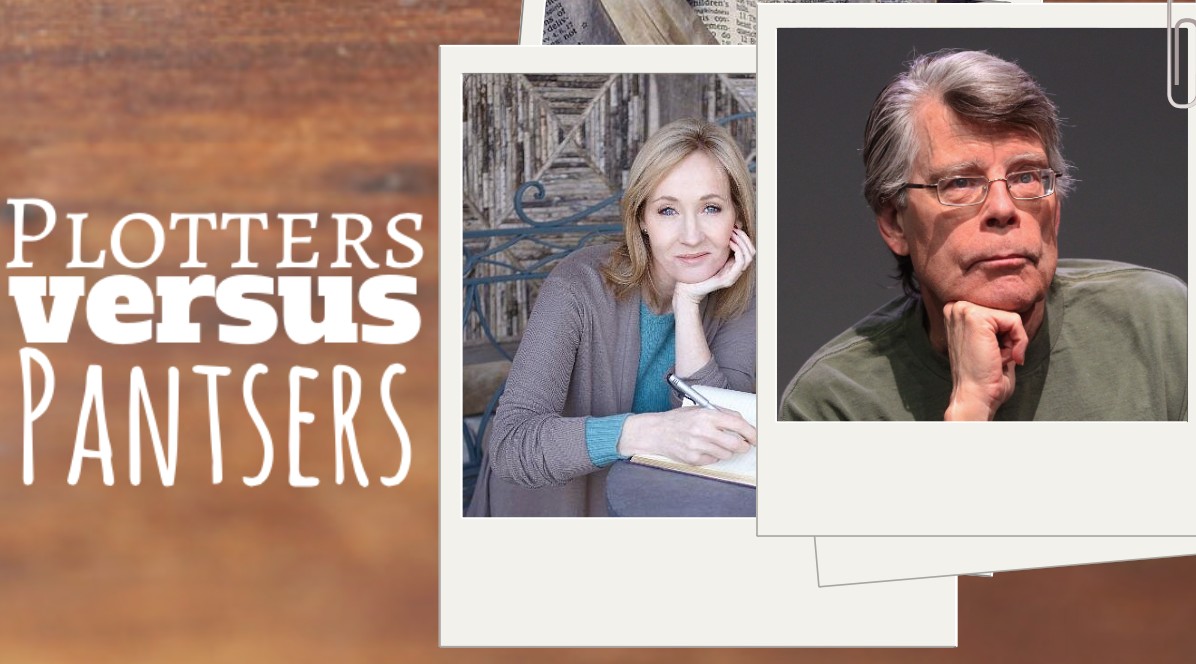
I write as a pantser. For years, that meant abandoned projects and a drawer full of unfinished first drafts[1]. The pantser writing process felt free, yes. Exciting, even. But it rarely led to a finished manuscript.
Then something shifted. I discovered that research and iteration don’t work against pantser writing. They work with it.
I want to share how I moved from being a pure pantser to a methodological pantser — and why that distinction matters more than most writing advice ever told me.
My Journey from Pure Pantser to Methodological Pantser
“The architects do blueprints before they drive the first nail, they design the entire house, where the pipes are running, and how many rooms there are going to be, how high the roof will be. But the gardeners just dig a hole and plant the seed and see what comes up.” — George R.R. Martin, Author, known for ‘A Song of Ice and Fire’
What is a Pantser in Writing: My Definition
A pantser, at its most basic, is a writer who starts with minimal story or character detail and makes things up during the drafting process[2]. No formal outline. Nothing written down beforehand. Just the excitement of discovering the story as words appear on the page.
That was me. Completely. I’d sit down with an idea and let the narrative unfold, surprising myself with plot twists and character decisions I hadn’t anticipated. The pantser writing process opened up creativity in ways that rigid planning simply couldn’t.
What I didn’t know then? The plotter-pantser divide actually includes a second spectrum — one that runs between methodological and intuitive writers[3]. This creates four distinct writer types, not just two. That piece of knowledge would have saved me years of frustration.
Why I Couldn’t Outline Like Famous Plotter Writers
I tried. Repeatedly.
Outlining seemed like what real authors did. During my Creative Writing degree, the programme pushed structure hard — organising writing before and during the process[3]. For three years, I sat there thinking ‘None of this applies to me’[3].
The more detailed the outline became, the faster I lost interest in the project[4]. All the fun of discovery had been wrung out of the story before I’d written a single chapter. I couldn’t tell you ahead of time what plot beats fit into what quarter of the narrative, or whether a major turn belonged where typical novel structure said it should[3]. Too much outlining made me grow resentful of the project. And I never finished it[3].
This wasn’t laziness. My brain simply worked differently. Plotting extensively killed the mystery of my own story. Once the outline was done, the excitement was gone too. Planning in that kind of detail removed the very thing that made writing exciting for me.
The Turning Point in My Pantser Writing Process
The breakthrough came when I discovered I wasn’t an intuitive pantser at all. I was a methodological pantser[3][4].
You’re getting where this is going, right?
Previously, I’d viewed the pantser vs plotter debate as binary. You either planned or you didn’t. Ellen Brock’s framework introduced that second axis, and suddenly my chaotic process made sense[3]. As a methodological pantser, I needed some planning — particularly around characters. I needed to know them before I started, because they were what drew me to the story in the first place[3]. They didn’t just appear on the page as I went.
I also needed certain anchor points before writing:
My inciting incident
Sometimes the climax
A decent amount of research and character work to ensure concepts made sense[3]
That was all I needed before starting chapter one.
Understanding this writer type meant I could stop forcing myself to follow plotting advice that would never work for me[5]. I began building a process that honoured my pantser nature while incorporating just enough structure to prevent the abandoned projects that had plagued me for years.
This wasn’t about becoming a plotter. It was about becoming a pantser who finally understood how to work with my natural creative process instead of against it.
The Research Layer: Preparing Without Planning
“Research is formalised curiosity. It is poking and prying with a purpose.” — Zora Neale Hurston, American anthropologist and writer
Research changed my pantser writing. Yet it never turned me into a plotter. That’s the thing most pantsers get wrong — they assume research and discovery are opposites. They aren’t. Researching meticulously doesn’t require plotting or outlining[6]. The difference is entirely in how you approach it.
Why Research Doesn’t Contradict Pantser Writing
Many pantsers worry that research will lock them into a predetermined story. I felt that too. But research provides foundation, not restriction. When I started researching before writing, I gained confidence in my material without needing to contort plots or show off what I’d learned[7]. That confidence let me write freely. Quickly. Without second-guessing.
Here’s the thing though — research needs control, like keeping a hungry dog on a leash[7]. Left unchecked, it gobbles your imagination whole. The key is gathering information that supports your characters and world, not information that dictates every plot point. My stories still unfolded organically. They just stood on solid ground now.
What to Research Before Starting Your First Draft
Before I type chapter one, I focus on three areas:
Settings: Physical details, cultural elements, and historical context where scenes will unfold
Technical knowledge: What my characters encounter professionally or practically — if my protagonist is a forensic scientist, I need enough to write that world believably
Character worlds: Not personal histories (those emerge during drafting), but the environments that shaped them. What challenges did people in their circumstances face? What pressures defined them?
This research sparks ideas without prescribing outcomes. And getting too specific about something in the first draft without this groundwork? That leads to painful rewriting later[6]. I learned that the hard way.
Research During the Writing Process
Research doesn’t stop when drafting begins. Some of my most valuable research happens mid-draft, when I realise a scene needs technical accuracy I don’t yet have. Pausing to gather that information solves two problems at once — it stops me from over-researching before I know what I actually need, and it prevents scenes that ring completely false.
I set time limits to stop research becoming procrastination[8]. Need details about a specific location? Two hours maximum. Then I write the scene with what I have. Additional research can always happen as gaps appear[8]. Momentum matters more than perfection at this stage.
How Research Prevents Major Rewrites
Research saved me from countless dead ends. Writing with factual grounding — particularly around settings and historical periods — means fewer contradictions surface. You’re not creating scenarios that couldn’t happen or technologies that didn’t exist.
One writer put it well: 95% reality in terms of places, historical accuracy, and actual events creates a foundation for pushing the edges of that reality[8]. We maintain creative freedom whilst avoiding the glaring errors that force wholesale revisions. That balance works perfectly for pantsers. And if my research shows a plot direction is implausible, I catch it during drafting — not after completing a full manuscript. That awareness alone saves months of effort on stories that were never going to work.
Iteration as the Pantser’s Best Friend
Why First Drafts Are Discovery Drafts
Here’s what most writing advice gets wrong: it treats the first draft as something that should be good. It shouldn’t. It should be fast.
I write my first draft quickly — ideas onto paper, chronological order, shortest time possible[9]. Yes, it feels chaotic. That’s the point. Discovery drafts aren’t failures. They help me figure out what I’m actually writing about[10].
Ideas bubble up. Connections between concepts appear that I never planned[10]. The trick is recognising their value without clinging to every word. A discovery draft often needs deep revision. But trying to revise whilst writing creates far more work than stepping back, outlining what I have, and starting fresh[10].
Write fast first. Understand later. That’s the pantser way.
My Iteration Workflow from Draft to Polish
After finishing the fast draft, I step away. Rest is not optional[9]. When I return with fresh eyes, I do something that surprised even me — I steal a plotter technique. I outline after writing[9].
Here’s how it works. I read through the draft, then write exactly three sentences per chapter:
Sentence one: What is this chapter’s goal?
Sentence two: What is the main conflict?
Sentence three: What is the outcome by chapter’s end?[9]
That’s it. This simple outline reveals gaps in narrative, story logic, and character arc[9]. A chapter might be sitting in the wrong place. One might be missing entirely. My next, slower draft becomes far more robust with this guide in hand[9].
Finding the Story Through Rewriting
You’re getting where all this is going, right?
We pantsers don’t find our story in the first draft. We find it in the second or third[11]. Revisiting character development from the long view, rediscovering the beginning — that’s when patterns emerge. Patterns I wasn’t consciously creating[11].
Certain reveals at the end land better when details are introduced earlier, peppered throughout[11]. A throwaway line near chapter one can resonate powerfully with how the story closes. These connections feel planned. They weren’t[11]. That’s the magic of iteration.
I massage themes. I develop them into something stronger. And I love that process!
How Many Drafts Does a Pantser Really Need?
With one manuscript, I needed four drafts before I fully understood what I was writing[12]. Other writers need five or six — the final two for polishing, the middle ones for fleshing out characters and verifying research[13].
There is no fixed number. Writing is rewriting. We pantsers simply bring the same exploratory mindset to revision that guided our drafting in the first place[14].
Building a Flexible Framework for Pantser Success
The minimum structure every pantser needs
Structure isn’t the enemy. It doesn’t mean outlining every scene or mapping every chapter. Even the most free-spirited pantser needs something to hold onto before starting[15]. I know this from experience — and from the pile of abandoned manuscripts that taught me the hard way.
The sweet spot sits somewhere in the middle, and most writers combine both approaches[15]. Here’s what I identify before I write a single word of chapter one:
25% mark — the ending of the beginning, or first plot point
50% mark — the midpoint
75% mark — the crisis, the black moment
80–99% mark — the climax[16]
That’s it. Knowing I’m heading in a general direction beats picking a random path and feeling completely lost[16]. You’re getting where this is going, right? It’s not a plot. It’s a compass.
Creating a living outline as you write
A running story bible changed everything for me. I don’t start with an outline — but as I discover details about characters, the world, or the story, I note them[11]. The more organised this becomes, the better it serves me.
What goes into it?
Who has the gun
Who has already met whom
Where the house sits
Which plot points still need resolution
Who has died[11]
It saves me from story-breaking contradictions mid-draft and proves just as useful during editing. I also list phrases my characters repeat, to keep their speech consistent. Casual details about their past that might inform future choices get jotted down too[11]. Nothing is too small.
Knowing your character’s core before you start
Character tendencies shift as a story progresses organically[11]. That’s the joy of pantsing. We have room to follow our characters wherever they lead, because our course isn’t set in stone[11].
But I do need to know certain things beforehand:
Who the character is at their core
Where they grew up
Their job, family, and close relationships
The backstory events that shaped them[17]
These bullet points build the character’s world without restricting how they’ll evolve. Think of it as knowing someone before you write them — not scripting their every move.
Story beats I identify before writing
Beat sheets are empty coat hangers in a closet[18]. I hang important story points on specific beats without filling in every detail. When we miss beats, the story skips — and readers get pulled right out of the mental movie playing in their heads[18].
I use beat sheets as guidance documents, not outlines[18]. They let me write towards those empty hangers whilst keeping the creative freedom that makes pantsing worth it.
What Changed When I Combined Research With Iteration
Here’s what I know for certain. The results weren’t theoretical. My writing output changed in ways I could actually measure.
Faster First Drafts With Better Quality
Research gave me the confidence to write quickly. No more pausing mid-sentence to verify facts I should have gathered weeks earlier. The information was already there, sitting in my notes, ready to use.
Iteration removed the pressure to get the first draft perfect. I wrote faster, knowing revision would do the heavy lifting later. Speed and quality stopped feeling like opposites.
Fewer Dead Ends and Wrong Turns
Dead ends used to consume my manuscripts. I’d write myself into corners that required massive backtracking — sometimes losing weeks of work.
Research cut this down significantly. Implausible scenarios got caught before they ate up entire chapters. My post-draft outline process flagged wrong turns early. What once cost months now costs an afternoon.
More Confidence in the Pantser Process
Understanding I was a methodological pantser — rather than a broken one — built real confidence. No more fighting my own creative instincts.
Research provided the foundation. Iteration revealed the story. Together, they honoured my discovery-driven approach without the chaos that once derailed everything.
Results: Finished Manuscripts Instead of Abandoned Projects
The results come down to this:
I finish manuscripts now[11]
An unfinished draft serves no purpose[11]
Once you have a finished draft, substantial improvements become possible during editing and revision[11]
Beta readers and professional editors help identify loose ends I might miss[11]
My drawer full of abandoned projects stopped growing. That, more than anything, tells you everything.
Conclusion
You don’t need to stop being a pantser. That’s not what any of this is about.
Research gives you confidence without locking you into a story. Iteration reveals what your story is actually about. Together, they support the discovery-driven process that makes pantser writing so exciting in the first place.
Here’s what works for me:
Know your characters’ core before you start
Identify four main story beats as loose anchors
Research your foundations — settings, technical details, character worlds
Write fast. Outline afterwards. Revise with purpose.
Your pantser instincts aren’t the problem. They never were. The right support simply lets those instincts do what they do best — find the story.
We finish manuscripts when we stop fighting our own creative process and start working with it. That’s the shift. And once you make it, the abandoned projects stop piling up.
Your most exceptional tale is waiting. Go write it!
References
[1] – https://larawillard.com/2013/10/03/chapter-outlining-like-a-pantser/
[2] – https://www.writersdigest.com/getting-published/what-is-a-pantser-in-writing
[3] – https://cipinillad.medium.com/a-method-to-my-madness-reflecting-on-ellen-brocks-writer-types-884a5c2c4349
[4] – https://www.dailykos.com/stories/2023/5/25/2171274/community/WriteOn-Plotter-vs-Pantser-Methodological-vs-Intuitive/
[5] – https://www.reddit.com/r/writing/comments/ewyevu/the_four_types_of_novel_writers/
[6] – https://nownovel.com/plotter-even-youre-pantser/
[7] – https://centerforfiction.org/writing-tools/research-in-fiction-necessary-but-dangerous/
[8] – https://www.thecreativepenn.com/how-to-research-your-novel-and-when-to-stop/
[9] – https://www.cleavermagazine.com/novel-drafting-for-pantsers-a-writing-tip-by-warren-r-basla/
[10] – https://amyisaman.com/writing-process/finding-clarity-the-value-of-writing-a-discovery-draught/
[11] – https://litreactor.com/columns/story-development-for-pantsers/
[12] – https://meredithallard.com/2026/07/07/how-to-structure-your-novel-when-youre-a-pantser-a-guide-for-discovery-writers/
[13] – https://nownovel.com/the-writing-process/
[14] – https://writewithseth.com/why-pantsing-can-work-the-success-of-discovery-writing/
[15] – https://writershq.co.uk/planning-vs-pantsing/
[16] – https://jamigold.com/2013/07/a-pantsers-guide-to-beat-sheets/
[17] – https://www.writersdigest.com/write-better-fiction/my-6-point-character-building-process
[18] – https://medium.com/the-book-mechanic/dont-like-plotting-but-want-to-write-efficiently-try-beat-sheets-998a7ce175f7